Vertigo & Balance Treatment That Finds the Real Cause
One-on-one vestibular physical therapy in Memphis. Dizziness is not one-size-fits-all. We test the specific system causing your symptoms, treat it directly, and progress you back to walking, driving, exercise, stairs, work, and daily life with confidence.
You May Need Vestibular and/or Balance PT If

Other Programs
Looking for a different service or program? Follow the link to the 'Our Services' page.
More →Specific Care for Specific Dizziness and Balance Problems
Vertigo can come from crystals in the inner ear, weakness of the vestibular system, poor balance integration, neck contribution, migraine sensitivity, or a mix of several factors. Our job is to figure out which one is driving your symptoms.
What it feels like: Room-spinning dizziness with rolling in bed, looking up, bending over, or quick head turns.
How we treat it: We identify the involved canal and side, then perform the correct canalith repositioning maneuver instead of guessing. Common options include Epley, Semont, Gufoni, or BBQ roll depending on the canal involved.
What it feels like: Blurred vision with head movement, imbalance in busy places, unsteadiness walking in the dark, or dizziness after inner-ear illness.
How we treat it: We dose gaze-stabilization work, walking with head turns, balance progressions, and visual motion training so the brain recalibrates without over-flaring symptoms.
What it feels like: Dizziness with grocery aisles, scrolling, bending, lying down, turning quickly, or visually busy environments.
How we treat it: We use graded habituation and visual-vestibular exposure. The goal is not to avoid every trigger; it is to teach the nervous system that normal motion is safe again.
What it feels like: Falls, near-falls, veering while walking, poor confidence on stairs, weakness, neuropathy, or trouble with uneven ground.
How we treat it: We test strength, sensation, vision dependence, vestibular contribution, gait, reaction time, and confidence, then build a plan that carries over to real life.
Exercises & Maneuvers Matched to Your Diagnosis
These examples show common categories of vestibular rehab. Your plan is customized after testing. Do not force exercises that make symptoms severe or unusual.
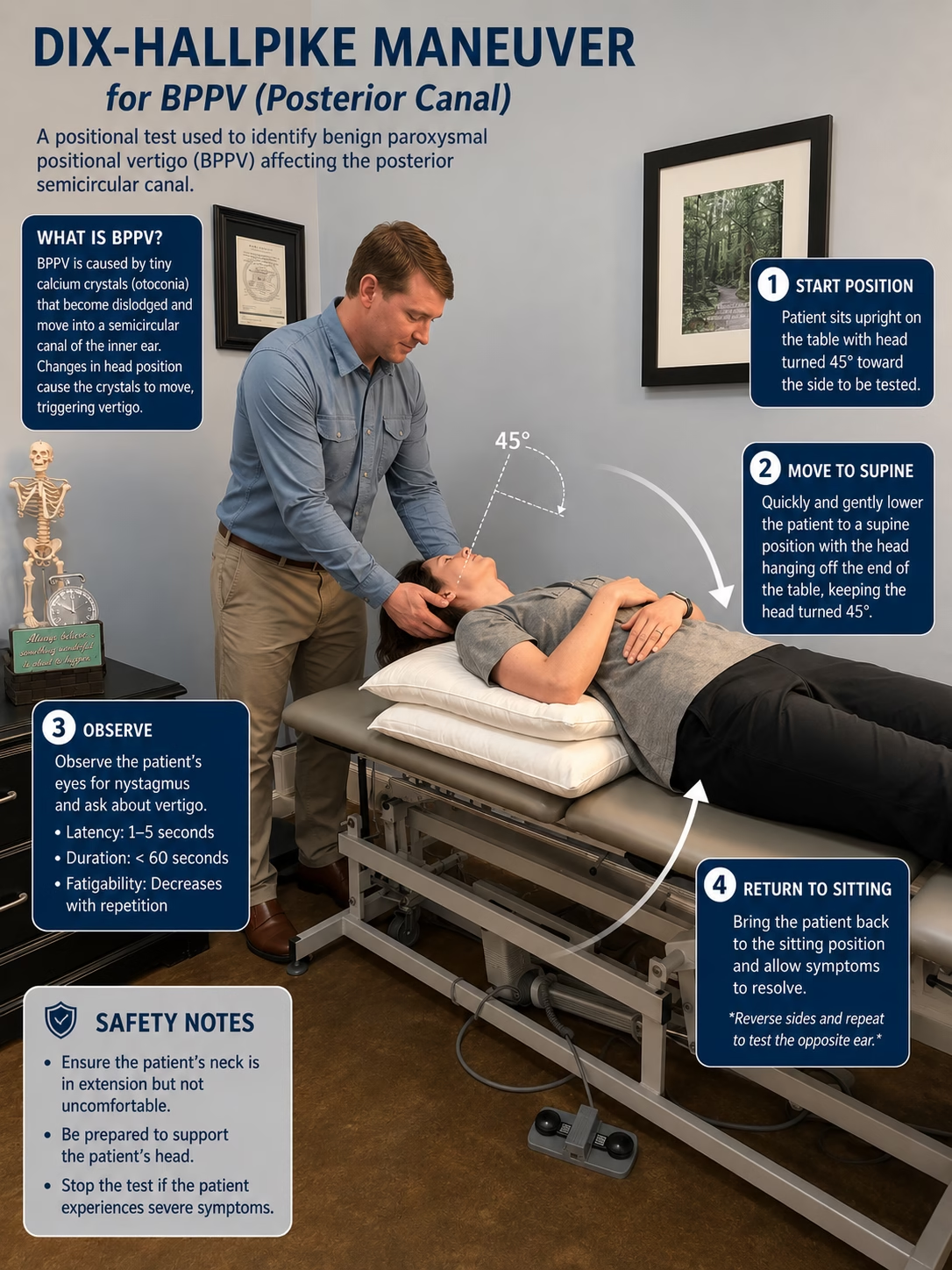
Canalith Repositioning Maneuver
For BPPV, the goal is to guide displaced inner-ear crystals out of the canal that is triggering spinning. We first identify the affected side and canal, then use the correct maneuver and retest afterward.
•Best for positional vertigo with rolling in bed, looking up, or bending
•We avoid guessing, because the wrong maneuver can waste time or flare symptoms
•We teach safe follow-up only when it is appropriate for your case
Gaze Stabilization & Smooth Pursuit
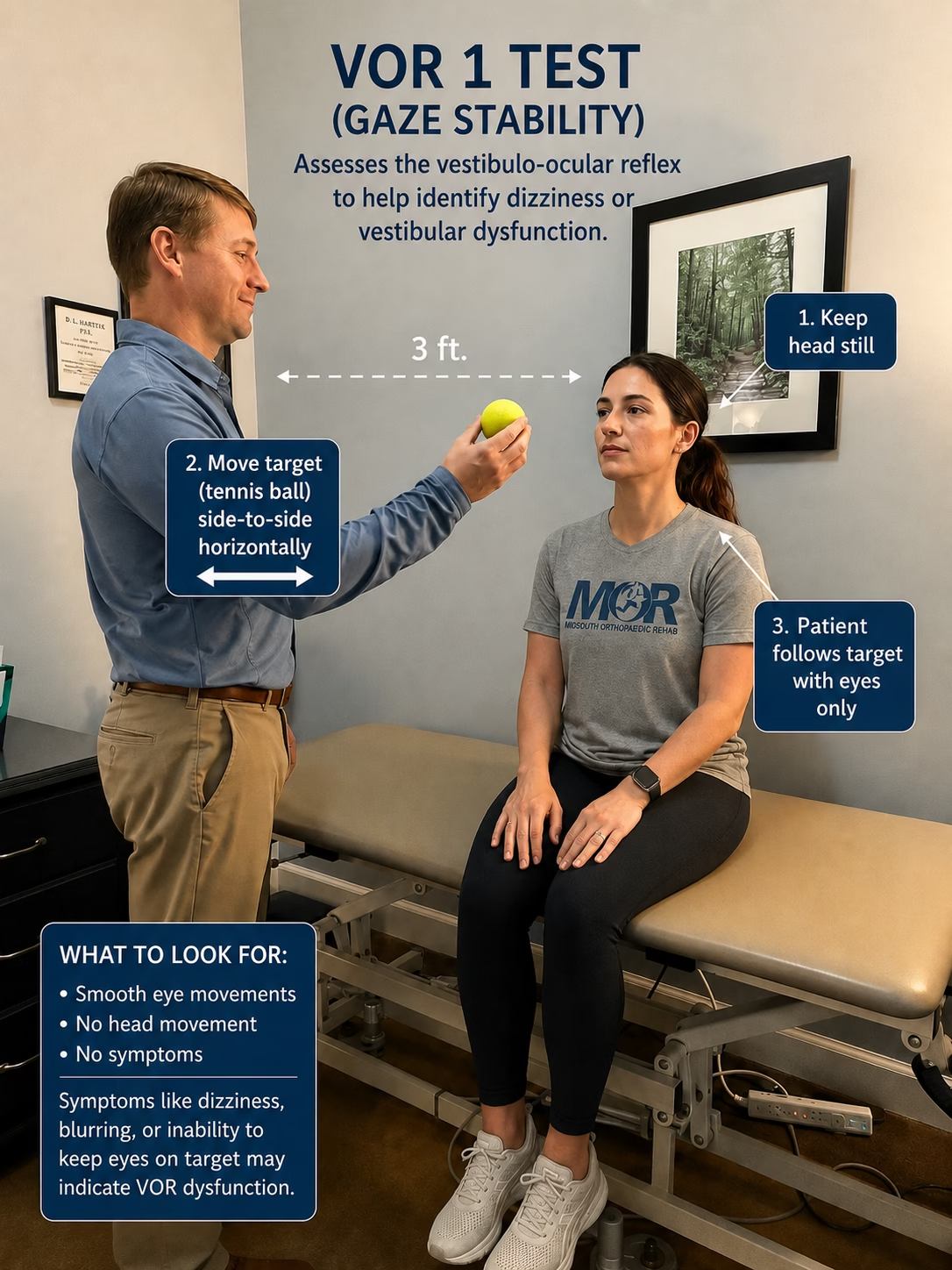
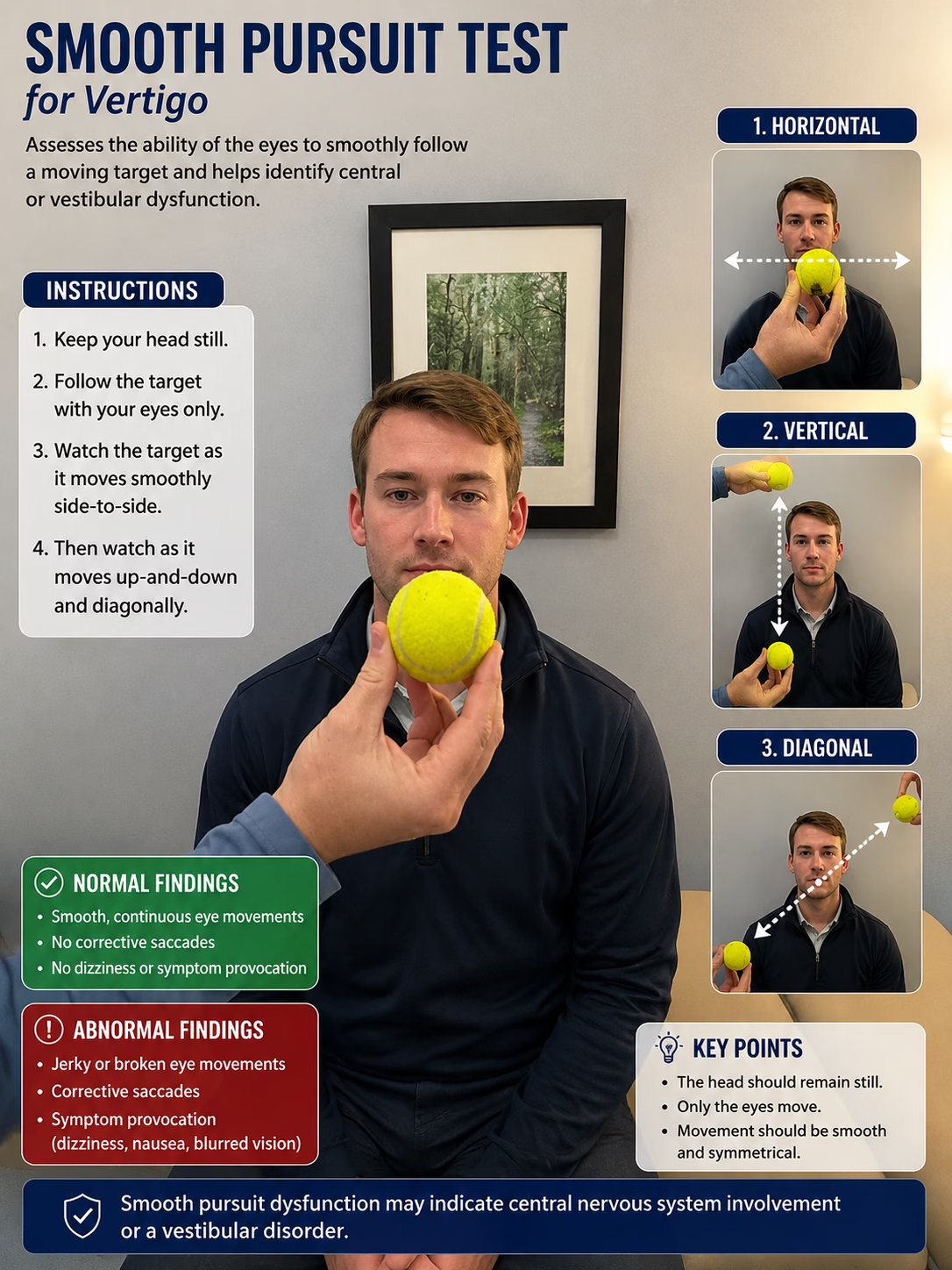
Gaze stabilization trains the vestibular-ocular reflex (VOR) so your eyes stay clear when your head moves. Smooth pursuit is the opposite setup: your head stays still and your eyes follow a moving object, which trains the eyes to track smoothly.
•VOR x1, side-to-side: eyes stay fixed on a target while the head turns right and left
•VOR x1, up-and-down: eyes stay fixed on the target while the head nods up and down
•Smooth pursuit, side-to-side: the head stays still while the eyes follow an object moving right and left
•Smooth pursuit, up-and-down: the head stays still while the eyes follow an object moving up and down
Habituation Training
We dose the specific movements that trigger symptoms, such as bending, lying down, turning, or visual motion, so the nervous system becomes less reactive.
•Rolling in bed: repeated rolling helps the brain adapt to position changes
•Sit-to-supine: practices the exact transition that often triggers dizziness
•Bending + turning: builds tolerance to daily activities like reaching and turning
Balance Retraining
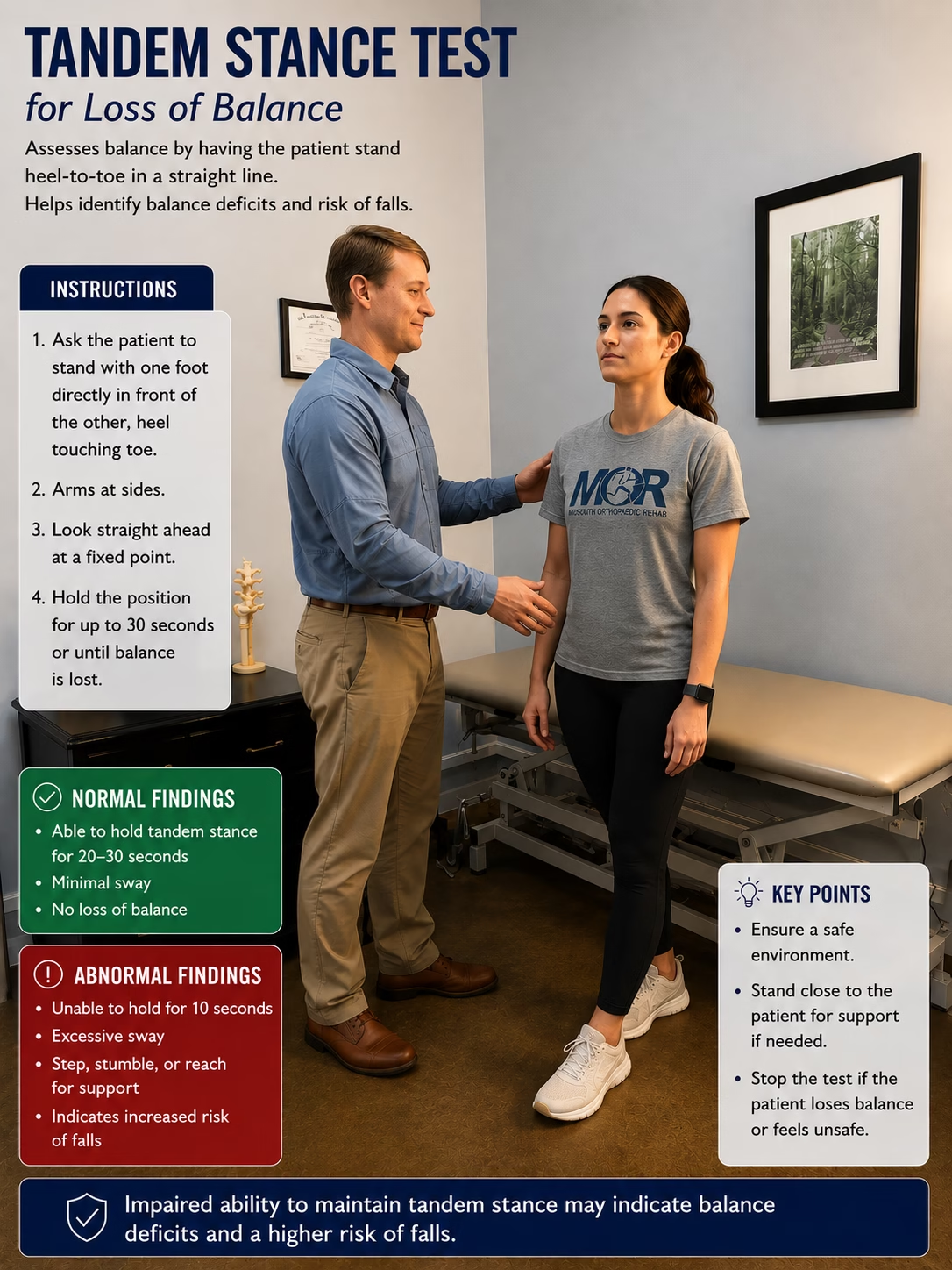
We progress stance, walking, head turns, surface challenge, strength, reaction time, and confidence so balance improves outside the clinic.
•Tandem stance: heel-to-toe position improves steadiness and reduces wobbling
•Single-leg balance: strengthens hip, ankle, and core control for safer walking
•Walking with head turns: trains real-life balance while the head and eyes move
We Do Not Hand You a Generic Vertigo Sheet
Dizziness treatment works best when the plan is specific, tested, and progressed. Our approach combines clinical reasoning, hands-on testing, vestibular rehab, orthopaedic knowledge, and real-world balance training.
Screen for red flags and determine whether physical therapy is appropriate.
Differentiate positional vertigo, vestibular hypofunction, motion sensitivity, cervicogenic dizziness, migraine-related dizziness, and balance/fall-risk drivers.
Use hands-on testing such as positional testing, eye and head movement assessment, gait and balance testing, and functional strength screening.
Treat the right problem with the right exercise or maneuver, then retest so you can feel and see the change.
Send you home with a precise plan, not a random sheet of exercises.
When Dizziness Needs Urgent Medical Attention
Some dizziness is not appropriate for routine physical therapy first. Seek urgent medical care if dizziness is sudden and severe or occurs with neurological symptoms.
Frequently Asked Questions
Vestibular physical therapy is a specialized form of treatment that addresses dizziness, vertigo, and balance problems related to the inner ear and the systems that control balance. After testing to find the specific cause, your therapist treats it directly with maneuvers and exercises, then progresses you back to walking, driving, stairs, work, and daily life.
We treat BPPV (positional vertigo), vestibular hypofunction, motion sensitivity and persistent dizziness, and balance and fall-risk disorders. Dizziness can come from inner-ear crystals, vestibular weakness, poor balance integration, neck contribution, migraine sensitivity, or a combination of several factors.
We identify the involved canal and side, then perform the correct canalith repositioning maneuver instead of guessing. Common options include the Epley, Semont, Gufoni, or BBQ roll depending on the canal involved, and we retest afterward to confirm the change.
Seek urgent medical care if dizziness is sudden and severe or occurs with neurological symptoms such as new facial droop, weakness or numbness, trouble speaking, new double vision, the worst headache of your life, chest pain, fainting, or new trouble walking straight.
Ready to Stop Guessing Why You Are Dizzy and Off Balance?
Schedule a one-on-one vertigo and balance evaluation with MidSouth Orthopaedic Rehab. We will identify the likely driver, treat what is treatable, and build a plan that helps you move with confidence again. Serving the Memphis area from our Cordova and Collierville clinics.